
A Deeper Understanding: 07 Ears Wide Open
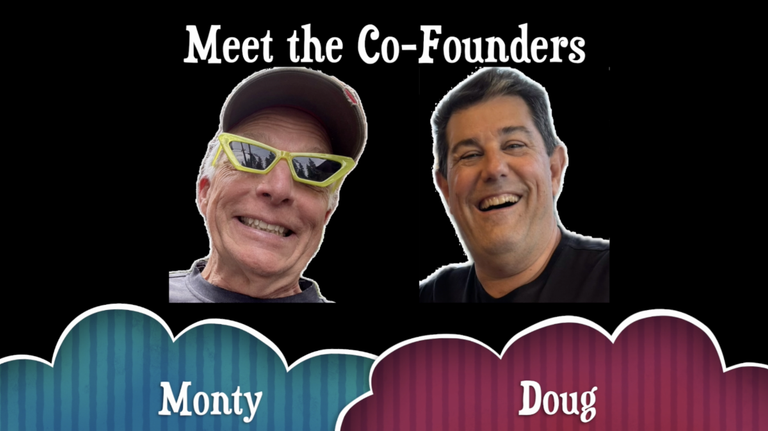
· — Monty Miller, Co-Founder of Vujade™ and Cabo™
Ears Wide Open: How I Compliment Listening with My Eyes
Some people are born with ears tuned like satellite dishes. Mine came with a little more static.
On the Vujade™ profile, my Auditory score sits as low as it can go. That puts me in a tiny slice of the population—about 0.013%. I did not need a score to tell me this. At 13, my grandfather figured it out while chasing me with a shovel and shouting, “You are the most bullheaded thing I have ever met; you don’t hear a damn thing I am saying.”
He was not entirely wrong. My ears had already taken a beating. As a young kid, I held corrugated galvanized roofing while my dad cut it with a Skilsaw blade turned backward—no ear protection, just minutes of screaming metal. I grew up on a farm driving tractors from age four on a tractor with no cab. I was surrounded by loud equipment and music I could appreciate only when it played instrumental. Later, in college, I learned to fly and loved the view from above, but I never pursued aviation. The thought of missing an air traffic control instruction made me too uneasy.
The twist is that where my auditory channel is weak, my visual channel is wide open. If I see it, I get it. So, over the years, I have built a playbook for turning listening on—especially in conversations, meetings, and facilitated sessions.
****
My listening workarounds
· I summarize out loud: “This is what I am hearing…” Then I check whether I got it right.
· I reflect key words back. If someone says, “This is a monumental occasion,” I might simply say, “Monumental.” People often light up and keep going.
· In meetings I sincerely appreciate name tags, so I can connect written spelling of a name to face.
· I write often write what people say on a flip chart or whiteboard. When I can see the words, I can better appreciate the content—and people feel heard.
· I design exercises where participants write first their thoughts/observations, then discuss. They tell; I see.
· Sometimes I close my eyes to shut down the visual noise and turn up the sound. It works—though it can send the wrong message to observers in the room or online, they might think I have gone into “screen saver mode.”
· I sit where I can see faces, lips, body language and the room. For me, listening is a full-body engagement.
· And I have found my apology for missing what someone says with: “I am having a low auditory moment!”
These workarounds contribute to advice from:
NPR’s Life Kit: Want to listen better? Turn down your thoughts and tune in to others.
****
When my eyes outrun my ears
My visual wiring has also created some memorable moments. On a recent hike with my nephew, thunder clouds rolled north of us while a light rain commenced. He was concerned. My response? “We will worry about thunder when we see a flash of lightning.” That was my visual system talking—and my outcome-driven side saying, “The goal for Pear Lake is still in sight.”
At airport security years ago, an agent moved his wand in a way that looked to me like an instruction to stand. I stood and moved into position. He yelled that he had not told me to “stand up”. I had followed the visual movement, no memory if there were instructions.
At Disney World this past June, I stepped off a bus, looked right and saw no buses, looked left and saw the buses parked, and headed that way while Security shouted behind me. Again: goal in sight, ears optional.
Even in work, this pattern has followed me. I asked a boss 40+ years ago for an opportunity to ride with sales reps and he told me, “People in your position don’t travel. Learn it over the phone.” For a highly visual learner, that was like telling a fish to climb a ladder. For the next two years, I was called insubordinate at least once a month by the boss who I suspect was highly auditory. I was not trying to defy anyone. I was trying to understand.
The gift—and the gap
I remain fascinated by highly auditory people. They can pick up meaning from words, sounds and tones with a speed that feels almost magical to me. I often say they have both a gift and a handicap: their gift is how quickly they absorb spoken information, sounds and tone; their handicap is assuming the rest of us can do the same.
That is why loud restaurants, bars, stadiums, and busy cities can drain me fast. Yes, I am an introvert. If I cannot hear a one-on-one conversation, I am ready to wrap things up and leave. But put me in a museum, concert, film, or show—somewhere I can watch, focus, and take it in—and I am fully alive.
My low auditory, high visual, introverted, outcome-focused combination can send unintended signals: aloof, disconnected, uncaring, even rebellious. That has never been the intent. The lesson is simple: I have to work harder to turn my auditory on. I have to choose to be ears wide open.
And that is the real richness of Vujade™— it reminds us that every person is a unique blend of core traits, talents, blind spots, and brilliant workarounds. Some people listen best with their ears. I just happen to do a lot of my listening with my eyes.
— Monty Miller, Co-Founder of Vujade™ and Cabo™